Do you have just one generic topic of conversation for everybody you know? Probably not, right? You know what your close friends and family are interested in, and you can ask them specific questions about it and show genuine interest. When you pass that neighbor you hardly know on the street, you might give him the old “cold enough for ya?” and move on. But when you really want to build a relationship with someone and show them you care, conversations get more personal and varied. When you connect with people, you find common ground. You talk about things that are important to them. You personalize.
Customers have so much choice these days that just offering great products might not be enough. You need to build a relationship with them. While these relationships won’t be as intimate as a relationship with a family member, you can still show them you care. This typically takes the form of emails or text messages that are relevant to them and what they need from you.
If you have only a handful of customers—say, no more than 20—you can probably take the time to talk to each one personally and get to know them. But when you’re dealing with hundreds, thousands, or tens of thousands of customers, personalization requires a little help from technology.
Smart CRM
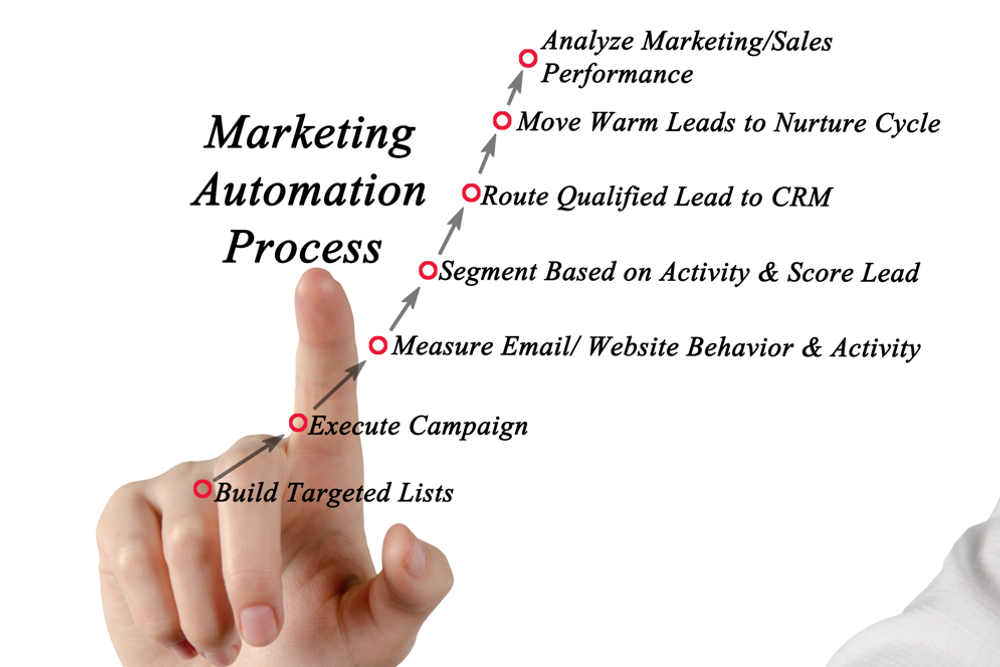
Your CRM is the place to store all of your information about your customers and contacts, but if that’s all you’re using it for, you’re missing out on some of its most powerful marketing features. While personalized marketing was a differentiator just a few years ago, it’s a basic customer expectation these days. Your CRM is the place to bring together data on all customer interactions. Based on that data, you can create segmented email lists and create workflows that trigger personalized emails when certain conditions are met.
List Segmentation
There are a number of ways you can segment your email lists to personalize communication. Demographic segmentation separates customers based on factors like age and gender. Geographic segmentation is useful if you offer different products or promotions to people in different parts of the world. Lifecycle segmentation, particularly useful in B2B, lets you create lists based on where leads and customers are in their journey with you, whether they are new subscribers, marketing or sales qualified leads, or current customers.
With customers in different lists, you can enter them into different kinds of email sequences so that each group only gets information that is relevant to them. Customers are more likely to open relevant emails and more likely to click on links. In the process, you’re building trust, which is the foundation of any relationship.
Creating Workflows
Workflows go a step further than segmentation, personalizing messages based on behavior rather than demographics—that is, based on what they do rather than what they are. For example, you can create workflows that enter customers into a “welcome” sequence when they first give you their email address. If they leave without buying anything, but come back a month later, a workflow can trigger a “welcome back” email. You can also create workflows for website visitors who look at certain pages or leads who browse your online catalogue or request a quote. The marketing team crafts the content that speaks to each group, and the automations make sure the right people see those messages.
Give Customers What They’re Expecting
Personalization is how you stand out from the crowd and make the kind of connections that encourage not only customer loyalty but brand advocacy and personal identification with a brand. While personalization was once a differentiator, customers have come to expect some level of personalization in their interactions with a business. It’s an opportunity for you to demonstrate what your business is about and get the attention of the right kind of customer, but doing it at scale requires a little help from technology. A smart CRM makes it easy to create lists and workflows so that the right content gets to the right customers at the right moment.